 Students Incorporated
Technology
The $95,000 Cartoon That Now Costs $15, and Who Gets Paid
PIPPA co-founder Hogan Shrum says AI animation has collapsed in cost. The real test is whether artists get paid and creators stay in the director's chair.
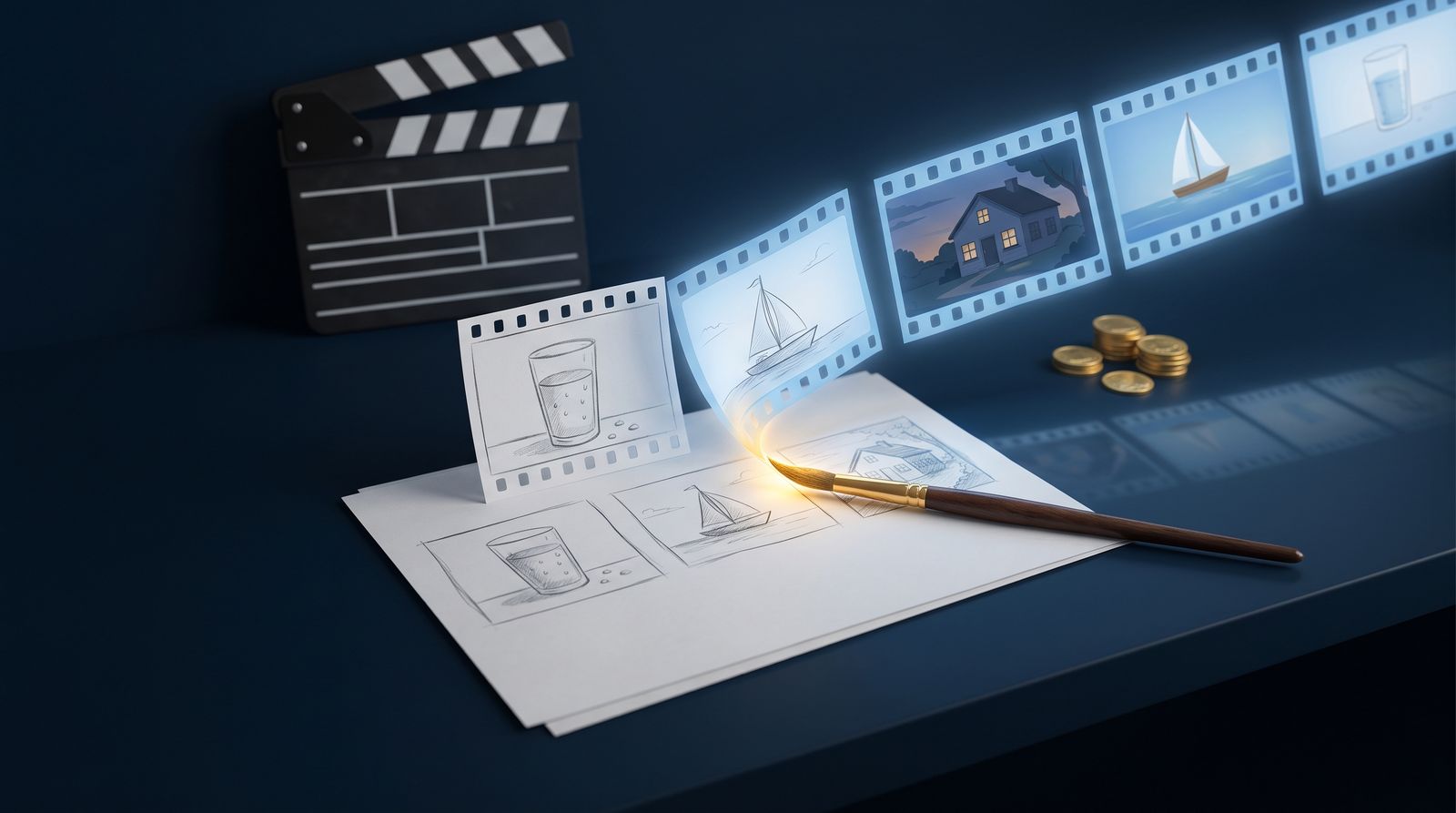
A couple of years ago, a brand asked Hogan Shrum's advertising agency for a three-minute animated short. The best studio quote his team found was three months and $95,000. Today, says Shrum, co-founder of the AI animation platform PIPPA, a brand could make the same piece in about two days for about $15, "and that is with creative control."
The harder questions behind that drop drove Shrum's conversation with Students Incorporated host Mr. Jason and student co-hosts Lucy and Yachi: if anyone can make a cartoon, whose art is the machine drawing on, who gets paid, and who is directing?
A director's chair, not a slot machine
Shrum spent more than 20 years in brand advertising. Most AI video tools frustrate him: you describe what you want, click a button, wait, and start over if it misses. At the other extreme sit platforms such as Higgsfield, which he called "everything but the kitchen sink," powerful but built for experts who write paragraphs of instructions for a ten-second clip.
PIPPA, which announced its public launch in May 2026 with iOS and Android apps, according to a GlobeNewswire release, is Shrum's middle path. It lays out a full storyboard, and each scene opens into a director module where users adjust camera angle, pacing, or dialogue in plain language, which the software turns into detailed prompts for the video models.
The logic comes from filmmaking. Directors shoot many takes because they learn what a scene needs by watching it, and when an angle falls flat, the fix should be one shot, not a whole new film.
Paying the artists whose styles power the machine
The pillar Shrum returned to most often: PIPPA only uses art styles that working artists have licensed to it. Each time a style is used, he said, the artist is paid for every second of video and every image generated. PIPPA trains the AI on each style with the artist, and it goes live only after the artist approves it.
That model answers a fight now in courts and Congress. With little regulation in place, Shrum said, most image models "have absolutely stolen the artwork" of artists and photographers who posted online over the past two decades, often because they were told sharing their work was how they would get discovered.
Andersen v. Stability AI, the 2023 class action by illustrators Sarah Andersen, Kelly McKernan, and Karla Ortiz against Stability AI, Midjourney, and DeviantArt, went to trial in federal court in California on September 8, according to a Sigma Law Group analysis. It is the first U.S. case to ask a jury whether training an image model on scraped work infringes artists' rights.
In June, a bipartisan group of House members, including Reps. Beth Van Duyne and Yvette Clarke, introduced the CREATOR Act, Axios reported. The bill would let visual artists sue anyone who intentionally uses AI to imitate their signature style for commercial gain. Adobe, which championed the bill, argues copyright protects individual works but not a recognizable style.
PIPPA planned to stick to animation, partly to avoid deepfakes, until a photographer asked to join. "It never occurred to us that photographers were also having their work stolen," Shrum said. PIPPA now offers photorealistic styles, but only from licensed artists.
He also made a business case to wary artists. A designer might serve a handful of brand clients a year, but a licensed style could reach businesses that could never afford that designer, such as a plumber in the middle of the United States who wants a commercial. That plumber was never a client, he argued, so the artist gains income without losing any.
The law of averages problem
For students, Shrum's warning was about process. The temptation with AI is to skip the hard part, and the hard part is where the creative work happens.
"AI by its very nature uses the law of averages."
Left alone, a model lands in the middle. "It's not taking risks. It's not pushing boundaries," he said. He admitted falling into the trap himself, rushing to finish a project and then going back to fix scenes that started to "look and feel like AI and less like my idea." Staying involved, he said, is what separates real work from "AI slop."
Industry data backs him up. Adobe's 2026 Creators' Toolkit Report, a survey of more than 16,000 creators in eight countries, found that 87% of creators using creative AI say it has sped up their growth, the figure the students cited on air. But 57% say their AI output usually needs moderate or extensive editing before sharing, and 85% say the final creative decision should always stay with the creator. Among those who find it harder to stand out, 42% blame AI-generated content for crowding out unique voices.
The surprise: people wanted to watch, not make
PIPPA began when Shrum's co-founder built a pipeline to turn bedtime stories he recorded for his children into polished cartoons. For Shrum, it was personal. He wrote screenplays as a kid and went to film school before he "chickened out" and took the MBA-and-advertising route. This was the filmmaking he had always wanted to do.
The team built from December to a May launch, convinced ordinary people would rush to make their own films. They didn't. PIPPA built a large social following, but almost all of those fans "cared more about just watching cool content than making it." Tell someone they could make a studio-quality short themselves, and the usual response is disbelief.
So the company turned to brands, agencies, and educators, who already feel the cost of content. He expects everyday creators to follow within two years.
He compares the opening to what YouTube did for video: studios release only a few animated features a year, and countless ideas never get made. This year offered a live-action example. After studios passed on his horror film Iron Lung, YouTuber Mark Fischbach, known as Markiplier, distributed it himself. It opened just behind Sam Raimi's Send Help in its first weekend and went on to earn about $51 million worldwide on a $3 million budget, Forbes reported.
Where it lands in a classroom
PIPPA's first photographer has an adult son who is autistic and largely nonverbal. After he broke his back, he kept hurting himself because he did not understand the injury, and his family could not explain it. While onboarding the photographer, PIPPA's team used her style to make a short video explaining it to him. According to his mother, he has watched it more than 50 times, and after more videos, he stopped hurting himself.
Shrum sees a smaller version at home. When his five-year-old asked why water formed on the outside of a glass, he made a 45-second video of a talking water droplet explaining condensation. Now his kids explain it to anyone who will listen.
He imagines teachers making a short video the night before a lesson, students turning in a 30-second video instead of a one-page essay, and film students practicing camera angles without a crew of 50.
Start with the spark
Shrum's advice to students came back to access. Every creative hobby costs money, whether for oil paints, lessons, or studio space. AI can lower those barriers and let young creators experiment with mediums, palettes, and themes until they find a style of their own. It won't do the discovering for them, he said, but it speeds up the search.
The episode's rules for creators put it simply: start with the spark, not the software, and story beats style every time.
Use the tools, he said, without letting them do the work. Millions more people can now make things than ever before, and bringing an idea to life is "more possible than it's ever been."